Bookkeeping, contract reporting and CFO support for commercial specialty subcontractors. Scope that fits the work you carry today and the decisions ahead.
Bookkeeping and tax strategy for service, replacement and remodeling businesses. Start with a full, personalized tax plan at no cost for qualified owners.
Less work means less room to cover the new fixed costs.
Compare the two cases Added monthly amounts
Crew scenario
Planned
Slower start
Revenue
$45,000
$36,000
Variable costs
$18,000
$14,400
Fixed crew costs
$18,000
$18,000
Operating profit
$9,000
$3,600
Monthly break-even sales
$30,000
$30,000
Assumes variable costs at 40% of sales and fixed crew costs of $18,000/month. Excludes tax and financing. Scenario planning is scoped commercial CFO support.
Sample excerpts with fictional figures, not client results. Your reporting package is built around your business and agreed scope.
One relationship. A scope that fits.
Start with the books. Build from there.
Some businesses need a reliable record and a better tax plan. Others need deeper reporting and a CFO in the conversation. We define the work before you commit.
Transactions captured and reconciled. Financial statements you can understand. For commercial contractors, job costing and additional contract reporting are scoped where needed.
Preparation handles the return. Strategy looks ahead at the decisions that can affect it. We define the tax services in your scope, including coordination with your existing preparer where appropriate.
Forecasts, budgets and financial guidance for commercial contractors, with reporting and compliance support matched to the requirements of their business.
Construction experience. Before the finance business.
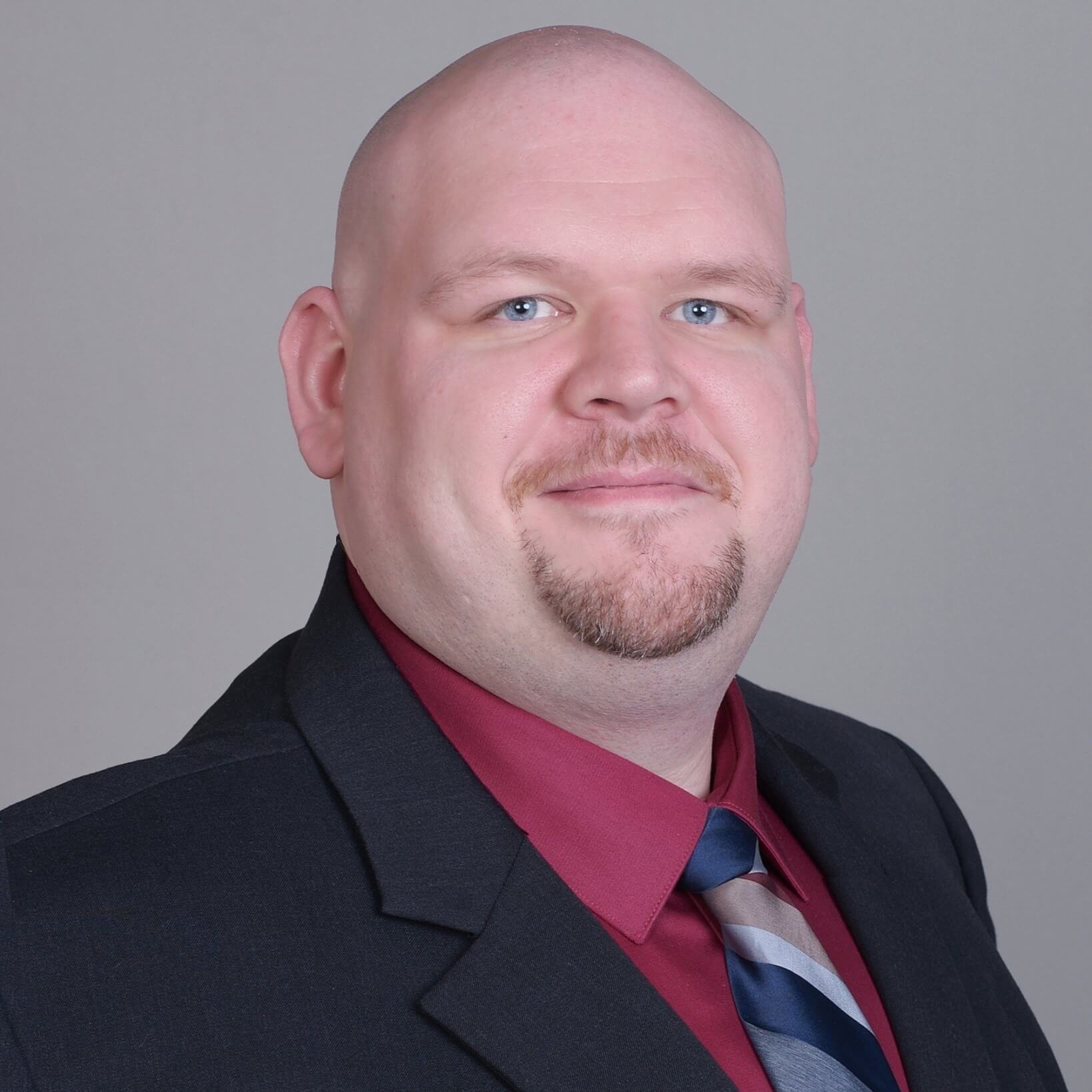
Before founding Today CFO, Tom spent nearly six years running job costing and logistics in construction. Tracking costs in the field. Following vendor supply chains. Seeing how the work and the money moved together.
He then built and sold a software company before founding Today CFO in 2015. That combination of operations, systems and finance shapes how we work today.
Choose a time to talk about your process, your numbers and the support you need.
Loading available times...
30 minutes · No cost · No obligation
What follows
If there is a fit, your free Financial Risk Assessment comes before either side commits. The findings and plan are yours to keep.
Residential & light commercial
A tax plan built around your business.
Qualified contractors receive a full written tax plan and a one-hour Zoom walkthrough at no cost. We confirm the fit and collect the required records before preparing your plan.
HVAC, electrical and plumbing
Roofing and remodeling
Service, replacement and family-operated businesses
We focus on construction. Our commercial work serves specialty subcontractors, including mechanical, electrical, concrete, steel, glazing and fire protection. Our residential and light commercial practice serves HVAC, electrical, plumbing, roofing and remodeling businesses, including family-operated shops.
Your scope should reflect the work you need. Residential engagements focus on bookkeeping and tax strategy. Commercial engagements can add contract reporting, compliance and CFO support as required.
We look at the work behind your numbers and the services you need before proposing a scope and fee. Commercial pricing reflects an anchor, the actual workload and the selected services; the fee is fixed for the quarter and reviewed in both directions.
For a commercial engagement, the next step is a free Financial Risk Assessment before either side commits. You keep the findings and plan whether or not you continue. Residential businesses follow a separate conversation about their bookkeeping and tax needs.